What seven hours of coaching gives a school principal
Protected time, a confidential space and a balcony moment of your own. What principals say changes, and what makes it work.
Nichola Lynagh · · 2 min read

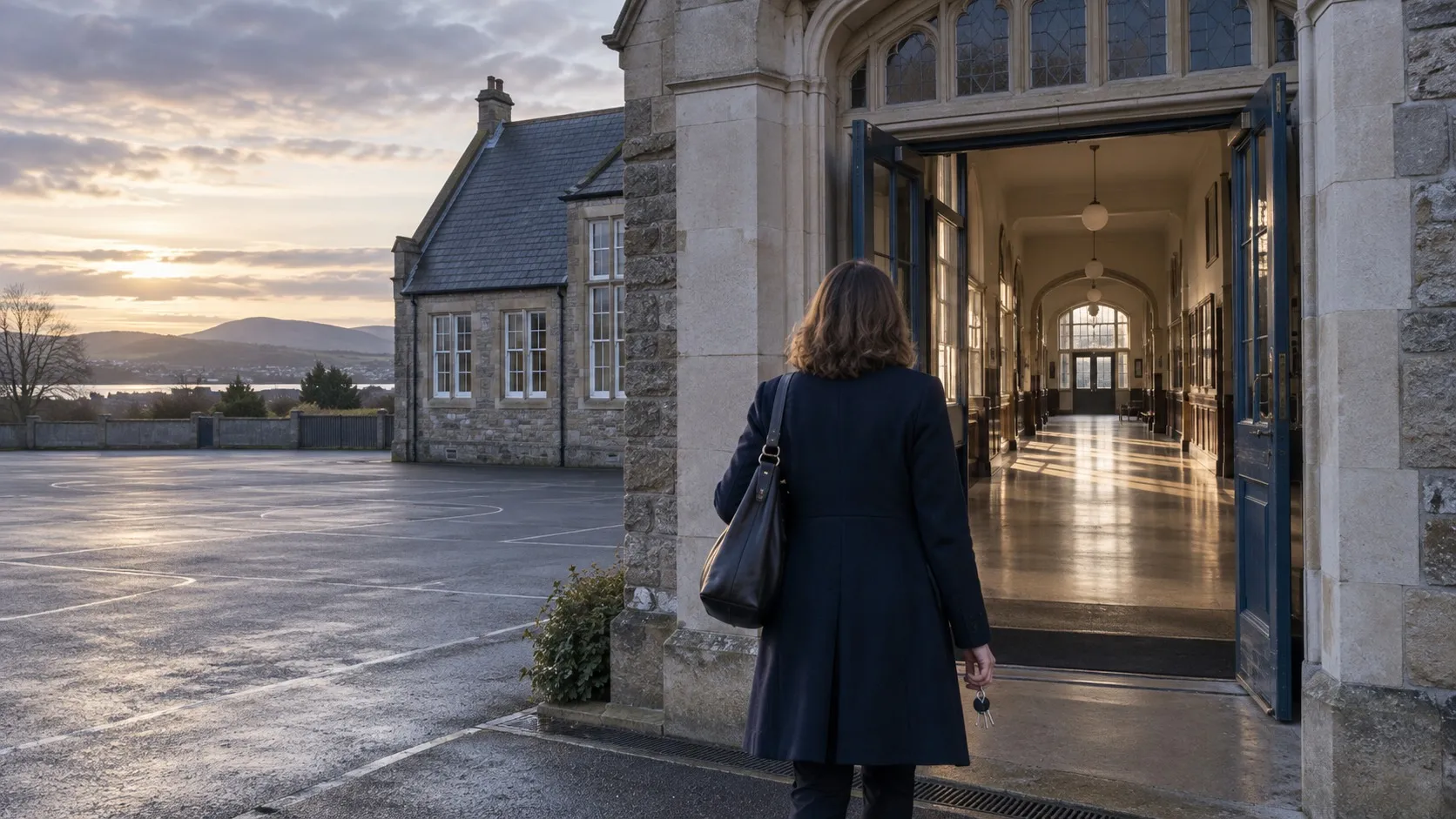
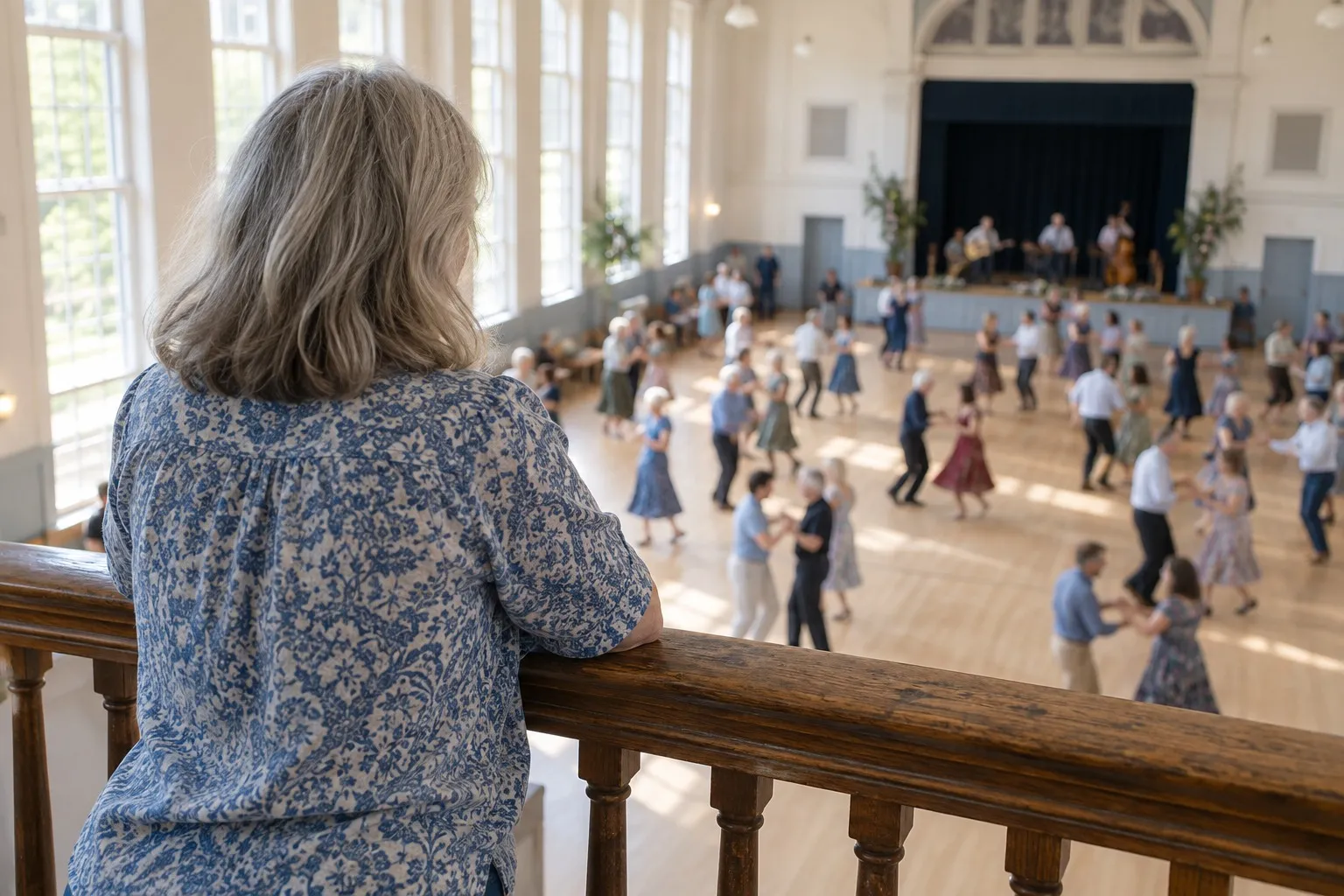
I am privileged to be a coach on the Education Authority's coaching programme for school principals, delivered by Inspire/Lena. Each principal receives seven hours of confidential, one-to-one coaching: protected time and space for reflection, focused discussion and professional development. I think of it as a balcony moment, a chance to step off the dancefloor of the school day and see what is really going on.
Seven hours is not long. What it is, is uninterrupted, confidential and entirely about the person leading the school. Here is what principals on the programme said in the evaluation carried out by Inspire/Lena on behalf of the Education Authority.
What principals say changes
“This programme has provided me with clarity of purpose of my roles and given me increased confidence to carry these out.”
“The impact of this programme on my health and wellbeing has been profoundly positive.”
“A positive experience, forced me to carve out time to reflect on my own practice.”
“I have definitely got better at managing difficult situations, looking at the bigger picture and work/life balance as a result of coaching.”
“I have become more confident in empowering others to find solutions themselves, which has reduced pressure on me while building confidence and capacity within the team.”
What makes coaching work for school leaders
Five things sit underneath every one of those outcomes.
A high-trust relationship. Trust is the cornerstone. It rests on credibility, reliability and a closeness that lets a principal explore the most sensitive leadership challenges without fear of judgement. It is why everything said in a session stays there.
Clear, shared goals. We agree together what the time is for. Goals we have created together, and can measure, give the hours direction and purpose.
Structured space for reflection. Coaching gives a leader protected time to think, reflect and gain perspective. One principal described being forced to carve out time to reflect on their own practice. That is the balcony moment, and it rarely happens unless someone holds the space for it.
A collaborative, non-directive approach. The leader holds the solution. My job is to help them reach it by asking the questions that get them there, not by giving advice. That is how the International Coaching Federation defines coaching, and it matters for senior leaders, who need autonomy, not instruction.
Accountability. Accountability is a key aspect of the coaching process, and having an external person hold the mirror moves the coaching from thinking into doing.
When the seven hours end
The programme is a beginning. Some principals finish their hours and want to keep the space with me: one honest conversation about where you are and where you want to get to.